
The Jewish Fund for Abortion Access powers the fight for reproductive freedom — activating the Jewish community and directing urgent, real-time funding to protect, expand, and deliver reproductive health care to those who need it most.
The need
Our country is in the midst of a health care and moral emergency. The health care system is failing to meet their needs, and it is failing to uphold the dignity, bodily autonomy, and religious freedom our nation claims to protect.
More than half of US states have banned or severely restricted abortion care.
200 Planned Parenthood health centers across 24 states have closed or are facing closure.
Over 1.1 million patients are at risk of losing access to basic care.
Some patients are being airlifted across state lines for life-saving procedures.
Others are sent home to miscarry or are denied care altogether.

Why it matters
Jewish tradition permits — and at times requires — abortion when the life of the pregnant person is at stake.
Our Jewish values compel us to support abortion access as essential health care.
That’s why the work of NCJW’s Jewish Fund For Abortion Access is more imperative than ever!
Make a gift to the Jewish Fund for Abortion Access now.

The response
National Council of Jewish Women (NCJW) created the Jewish Fund for Abortion Access (the Jewish Fund) in May 2022 to provide urgent, real-time support for reproductive health care. As the first uniquely Jewish, community-driven abortion fund, the Jewish Fund is part of NCJW’s broader work to mobilize the Jewish community, shift the public narrative, and face the ongoing crisis with care, compassion, and action.
Following the Supreme Court’s decision reversing the federal right to abortion in Dobbs v. Jackson Women’s Health Organization, the Jewish Fund raised over $1 million. Through our partnership with National Abortion Federation (NAF), those resources funded critical transportation costs for more than 10,000 patients seeking care, mostly from Texas, where abortion had been banned since September 2021.
In addition to providing emergency resources in moments of crisis, today the Jewish Fund for Abortion Access supports a critical patchwork of essential care including contraception, fertility treatments, prenatal care, pre- and post-abortion care, accurate medical and legal information, and essential wraparound service, with a focus on states where access has been stripped away.


The numbers
When the Jewish community shows up, change happens.
Here’s what the Jewish Fund for Abortion Access has achieved since 2022:
20,000+ people have accessed the reproductive health care services they need.
10,000+ patients have had their travel costs covered to access abortion care.
3.5 million advocates have been mobilized to fight for reproductive freedom.
$1.5 million+ has been raised to date, with grants to 25+ partners across the country.
5,000+ individual donors have given to this movement — with 90% contributing between $3 and $250.
The impact
These are just a few stories showing the impact of the Jewish Fund for Abortion Access.
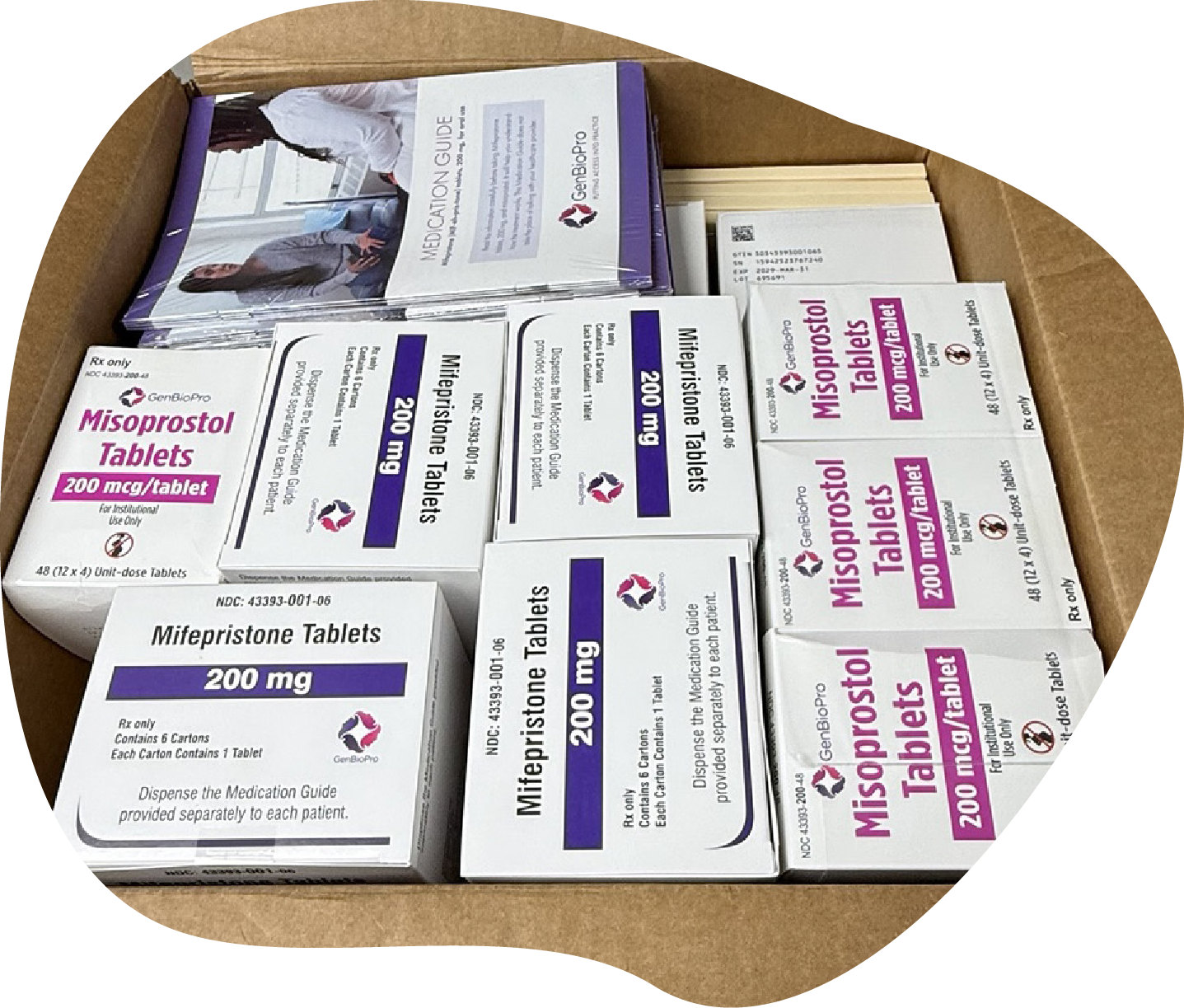
Care for All in Milwaukee, Wisconsin provides abortion care and family planning services. Since 94% of their clients live at or below the federal poverty level, the clinic uses a “pay what you can” model and even assists with transportation. A Jewish Fund grant helped Care for All purchase mifepristone, misoprostol, zofran, and Tylenol.
When abortion was banned in Alabama, West Alabama Women’s Center became a lifeline — going from 20 patients a month to nearly 100, providing free and sliding-scale reproductive care to a community with few other options. A Jewish Fund grant helped expand their birth doula program.
Operating in Wichita, Kansas — the geographic heart of some of the most restrictive abortion landscapes in the country — Jewish Fund grantee Aria serves as a critical access point for patients traveling from Texas, Oklahoma, Arkansas, Missouri, Louisiana, and beyond — offering pay-what-you-can care to ensure no one is turned away.

“I traveled from Texas terrified of what I might find when I arrived. Protesters? Cops? Judgment? But no, none of that — instead I found a secluded quiet parking lot, a safe entrance, a kind receptionist, and other patients waiting in the lobby for the same help I was there for. For once I felt like someone was there for me.”
— Aria patient
Mississippi has the lowest provider-to-patient ratio in the country, and providers are legally allowed to refuse care that conflicts with their beliefs, even birth control. The Jewish Fund supports Plan A Health, mobile clinics that bring care directly to small towns, delivering family planning, STD and HIV testing, cervical and breast cancer screenings, primary care screenings, HIV related care, and pre- and post-natal care where it is needed most — all at no cost.
The Jewish Fund grantee Online Abortion Resource Squad (OARS) is the team behind the global Reddit community r/abortion. OARS provides anonymous, real-time peer support and vetted abortion information online to people navigating pregnancy and abortion care across the world. In 2025 alone, OARS reached more than 2.1 million individuals and supported over 20,000 posts across 115 countries.
“This is the most relieved,
cared for and safe I’ve felt in months.”
— OARS user, after being
connected to practical support
Mamatoto Village is a Black women-led Reproductive Justice organization based in Washington, DC that provides culturally responsive perinatal care, doula support, postpartum services, mental health support, and resource navigation to predominantly Black, low-income families across the District. A grant from The Jewish Fund helped Mamatoto Village provide reproductive health and maternal health programming to nearly 300 women and families.
When the Alabama Supreme Court ruled in 2024 that IVF embryos must be considered children, clinics across the state suspended treatment — leaving dozens of families midprocess. The Jewish Fund moved within days to provide a $15,000 emergency grant to the Jewish Fertility Foundation, covering travel costs so families could continue care out of state. In March 2025, one of those families welcomed their daughter, Fia.

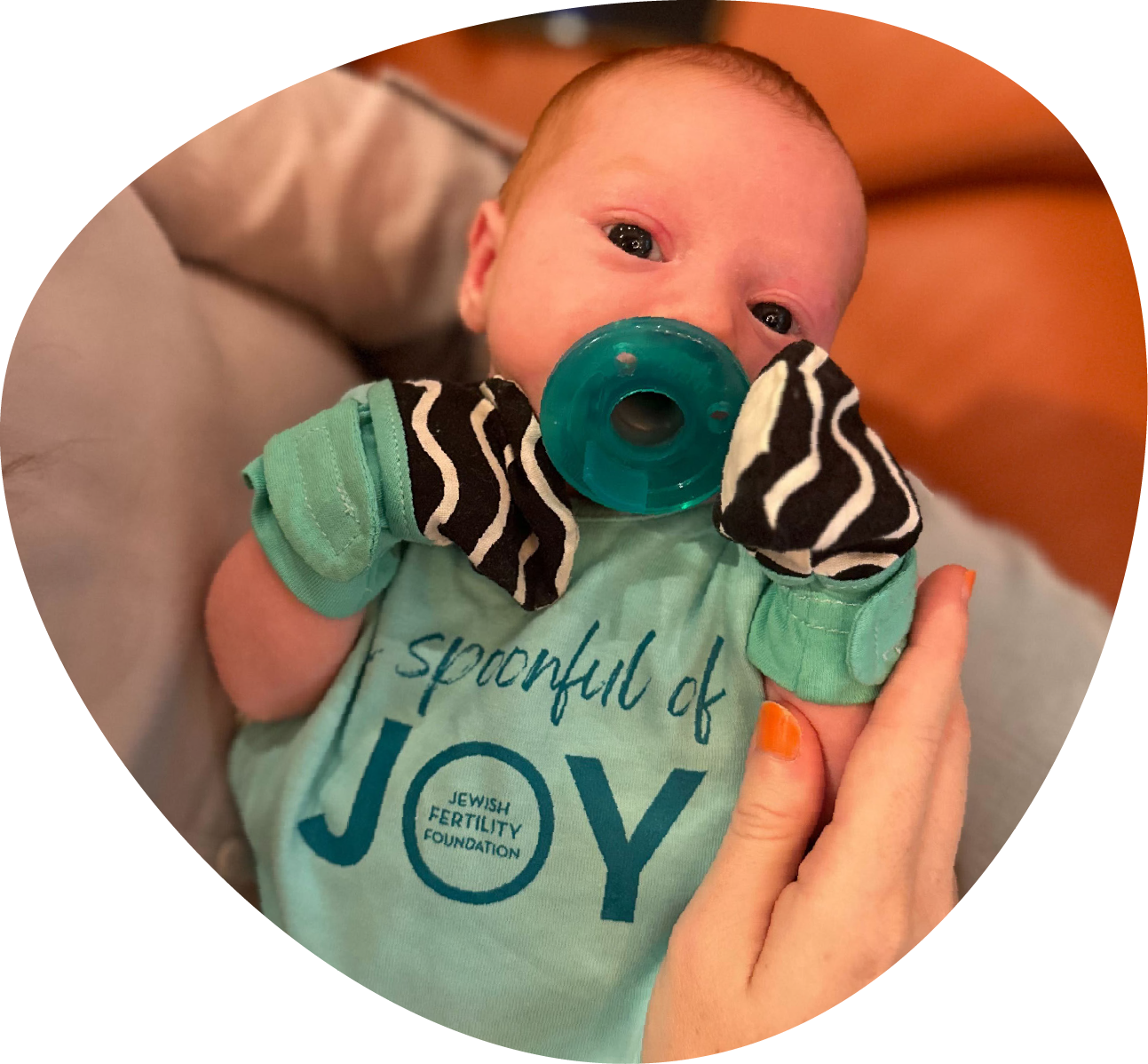
“When everything felt uncertain, JFF and NCJW stepped in to ensure we could continue our journey to parenthood.”
— Nikki Mirova, IVF grant recipient, Jewish Fertility Foundation
In Tuscaloosa, Alabama, many pregnant people, particularly Black patients, report not feeling heard or safe in medical settings, especially during birth. Diamonds for Doulas received a Jewish Fund grant to help provide free doula support to Medicaid- and WIC-eligible familes. Doulas educate patients, advocate for care, provide continuous support during labor and delivery, and coach on breastfeeding.
Recent grant recipients
Aria Medical Clinic (2026)
All Options (2025)
Care For All (2026)
Ceder River Clinic (2025)
Diamond for Doulas (2025, 2026)
Jane’s Due Process (2024)
Jewish Fertility Foundation (2024)
Mamatoto (2026)
National Abortion Federation — NAF (2022–2023)
OARS (2025)
Plan A Health (2026)
Trust Women (2025)
West Alabama Women’s Center (2024, 2025, 2026)